
Define the purchase duty
A stone-processing water purchase should address both recycled water and the solids route. Granite-cutting fines can be screened with anionic candidates where testing supports that family, but a clear beaker alone cannot approve the product for the complete line.
Identify the sample, actual feed and required water-and-solids result before asking for a recurring supply commitment.
Preserve the actual process water
Record stone source, cutting or polishing context, solids, particle-size information, pH and conductivity. Identify known additives and blended residual streams. The industrial clarification file helps define the treatment sequence.
Keep sample collection tied to a production state. Do not omit additives or replace operating water with clean water solely to obtain an easier settling comparison.
Measure the water required by reuse
Use active-dose curves and matched preparation to compare fine-solids carryover and interface behavior. Define the receiving equipment water requirement rather than accepting visual clarity as the only endpoint.
A specific water-reuse specification remains a plant responsibility. The candidate screen supplies measured evidence and should not imply an unverified effect on stone finish or tool performance.
Carry the sample through filtration
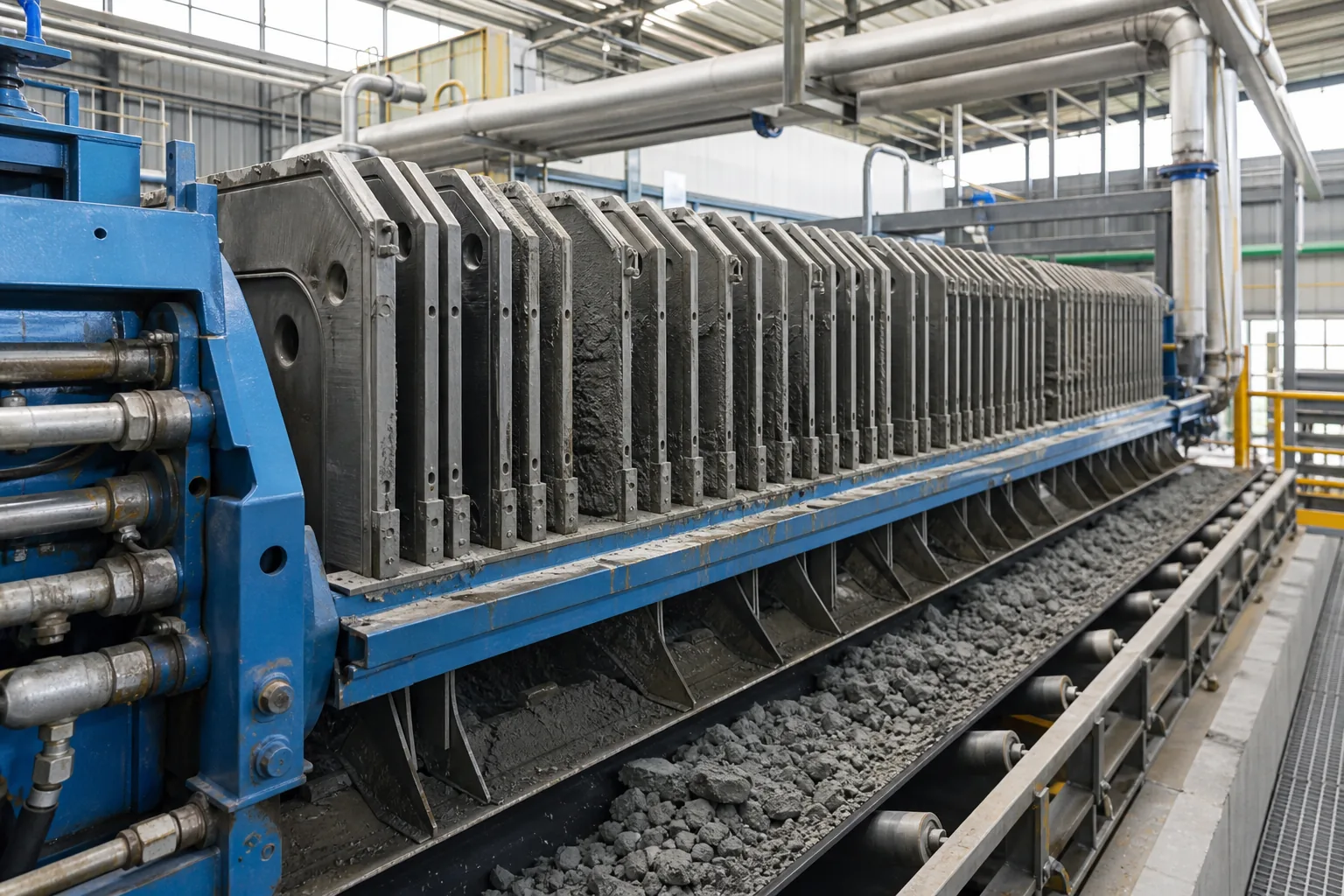
Where settled solids enter a press, compare filtration cycle, filtrate, cake and release under representative feed conditions. The molecular-profile trial keeps downstream behavior in the grade decision.
Tie commercial approval to the combined clarification and filtration record. Record any required change to conditioning or equipment separately from the direct polymer substitution.
Test the limiting condition
A dose that creates a rapidly settling network can still produce a difficult press feed. Reject a clarification-only approval when the planned purchase must also preserve normal cycle time and cake handling.
Preserve any untested condition in the acceptance record. A promising sample response is not an unrestricted capacity or treatment guarantee.
Keep a traceable comparison
| Purchase check | Evidence | Decision boundary |
|---|---|---|
| Source | Actual fines, additives and water | Representative stream |
| Reuse | Measured required water quality | No appearance-only approval |
| Solids | Filtration and discharge evidence | Whole line accepted |
Retain the commercial code, sample reference, preparation method and measurement timing. Record rejected conditions as well as the preferred point so later shipments can be assessed against the actual evidence.
Request a scoped recommendation
Send processing-water and fines data, additive information, clarifier and press details, current grade and required outputs. Ask for candidates linked to both water-recycle and solids-handling acceptance.
Use the anionic emulsion sample and quotation form and review supply and packaging controls with Gongyi Xinqi Polymer Co., Ltd.. Confirm offered grade, availability and commercial terms before ordering.