
Define the purchase duty
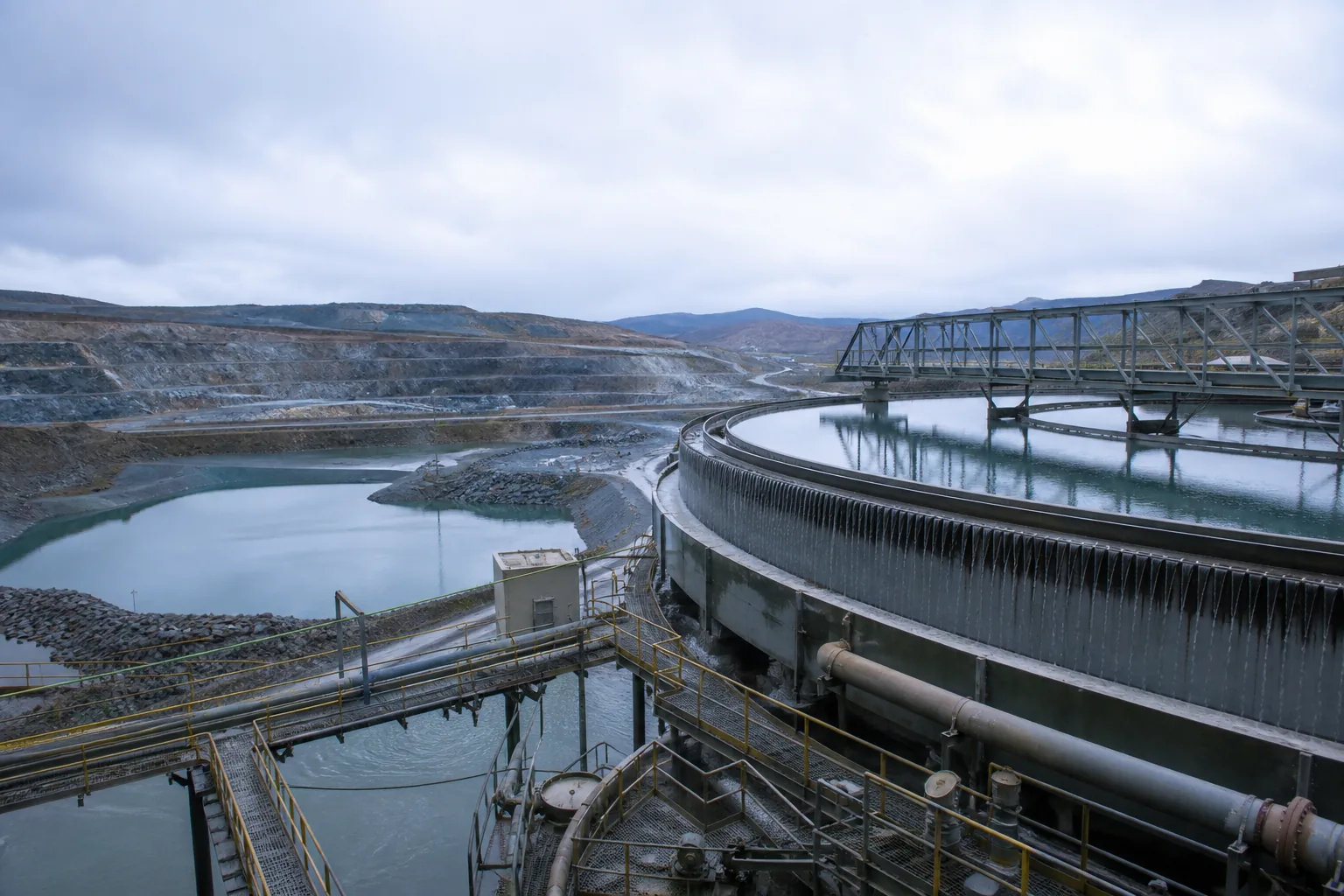
An iron-ore tailings offer should be linked to the current mineral-processing stream and water balance. Ore identity does not eliminate variation in fines, reagent history or the underflow requirement, and a laboratory settling winner still needs a defined production acceptance route.
Identify the sample, actual feed and required water-and-solids result before asking for a recurring supply commitment.
Describe ore and process variability
Record tailings source, grind or size context, solids, pH, conductivity, known dissolved-ion data and upstream treatment. Identify normal and difficult ore campaigns. The tailings application file provides the thickener boundary.
Preserve the actual recycle-water relationship instead of rebuilding every test in clean water. Keep unmeasured composition questions explicit.
Compare dose and downstream behavior
Screen identified charge and molecular profiles with controlled inversion and active-dose steps. Measure overflow fines, interface and compaction under matched timing. Include representative contact or shear before narrowing the plant candidates.
Do not award purely on aggregate size or the first fast interface. The accepted sample must also provide evidence for the solids-handling route it will enter.
Confirm the production operating envelope
Use calibrated neat delivery and measured dry-solids feed to transfer the sample result. Record overflow, bed, underflow and relevant torque or pumping indicators after adequate response time. Follow the feedwell transfer record.
Set stop conditions and retain a reference. A short supervised run at one ore blend should not establish an unlimited capacity claim or annual consumption forecast.
Test the limiting condition
If one candidate is tested on coarser tailings and another on a fines-rich campaign, the difference cannot be assigned confidently to polymer. Repeat comparable windows before accepting a reported lower dose as a recurring purchasing advantage.
Preserve any untested condition in the acceptance record. A promising sample response is not an unrestricted capacity or treatment guarantee.
Keep a traceable comparison
| Purchase check | Evidence | Decision boundary |
|---|---|---|
| Feed | Ore campaign and actual water | Representative comparison |
| Bench | Fines, rate and compaction | Not one-metric selection |
| Production | Calibrated dose and stable outputs | Approval within tested range |
Retain the commercial code, sample reference, preparation method and measurement timing. Record rejected conditions as well as the preferred point so later shipments can be assessed against the actual evidence.
Request a scoped recommendation
Send tailings and water data, current grade and dose, feedwell details, underflow route and required outputs. Ask for the candidate code, preparation scope and production confirmation needed for a supply award.
Use the anionic emulsion sample and quotation form and review supply and packaging controls with Gongyi Xinqi Polymer Co., Ltd.. Confirm offered grade, availability and commercial terms before ordering.