
Describe the separation duty
State solids source, particle size, solids concentration, pH, conductivity, dissolved ions, upstream chemistry, equipment and measured targets.
Include normal and difficult feed conditions. A precise duty helps a supplier propose a relevant trial set instead of a generic high-molecular-weight product.
Request useful product data
Ask for product identity, ionic family, charge profile or range, active content, density when required for dosing and product-specific handling guidance.
Treat broad molecular-weight or viscosity descriptions as screening information, not the sole plant acceptance criterion.
Define the sample program
State sample quantity, required adjacent grades, test schedule and whether supplier review is expected. Agree how sample codes connect to the eventual commercial product.
Use active-dose and process endpoints for acceptance. Visual floc formation alone is insufficient.
Specify make-down constraints
Describe dilution water, available contact mixer, aging capacity, neat and solution pumps and injection location. Identify temperature or salinity limits.
Ask the supplier to flag any incompatibility before the trial, then preserve the approved preparation method with the result.
List documents and traceability
Request current SDS, COA expectations, lot traceability, package labels and change notification. Agree which properties are informative and which are contractual.
Define how a disputed delivery will be sampled and compared with the approved material.
Match packaging and destination
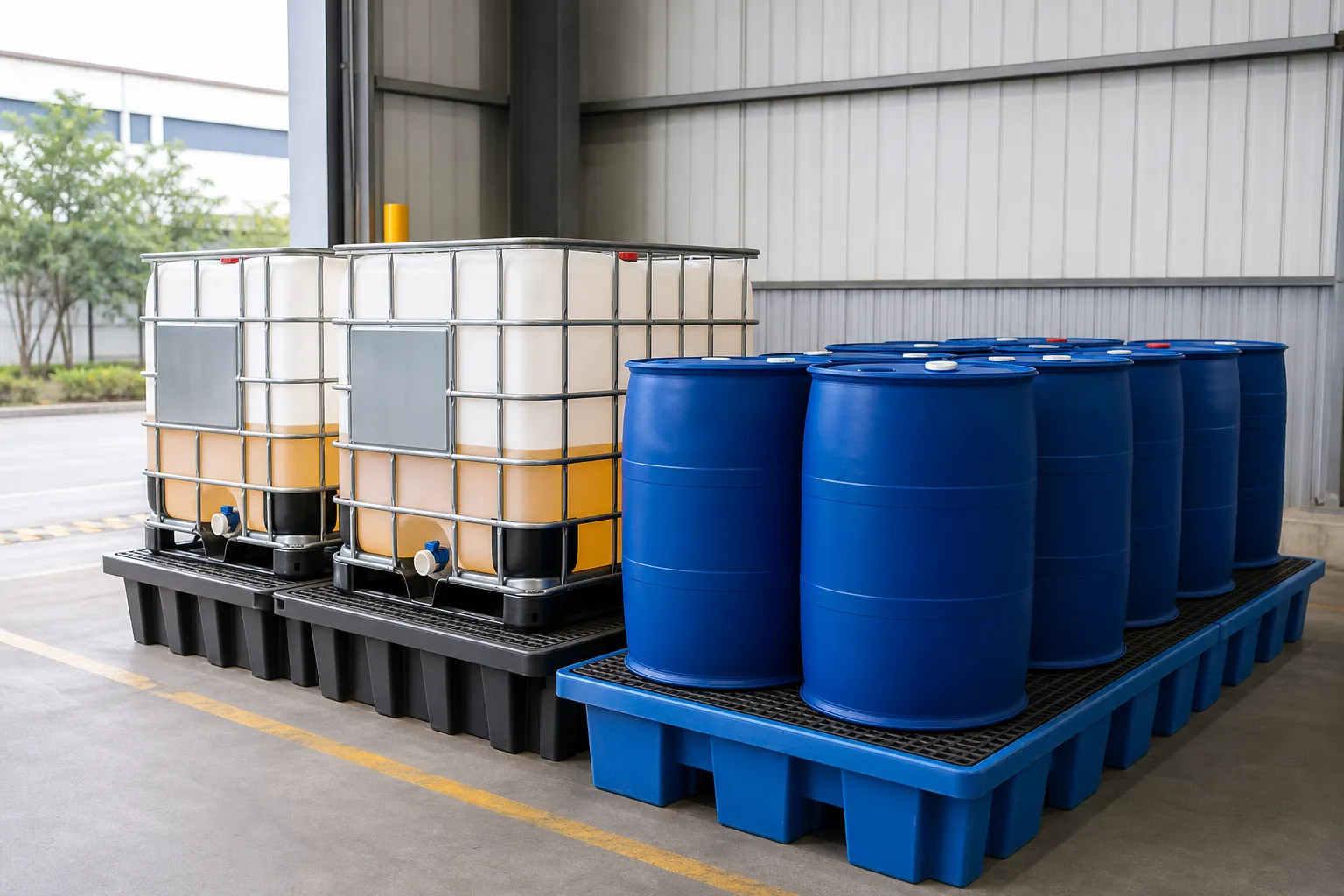
State drum or IBC preference, unloading, storage, secondary containment, expected monthly demand and destination. Include any export documents needed for quotation.
Confirm package turnover and transfer connections fit the plant before approving the commercial offer.
Define plant acceptance
List overflow, settling, underflow, filtration, throughput and active-dose criteria as applicable. State the feed window and equipment settings used during verification.
Separate supplier product identity from plant process responsibility: both must be controlled for a repeatable result.
Align commercial terms
Request lead time, minimum order, quotation validity, payment terms, trial freight and technical contact. Confirm the production product code matches the approved sample.
Send the completed process brief through the dedicated RFQ form with destination and document needs.
Qualify technical support
Identify who reviews laboratory and plant data, the expected response time and how an unsuitable sample will be replaced with an adjacent profile. Clarify whether commissioning support is remote or on site.
A supplier recommendation should reference the disclosed feed and equipment conditions. Keep responsibility for representative testing and plant safety with the operating organization.
Set receiving inspection
Create checks for purchase order, product code, lot, package count, seals, damage, labels, COA and SDS availability. Record product temperature or visible phase condition when the supplier identifies it as relevant.
Quarantine an identity or integrity discrepancy before connection. Retain a documented sample when the supply agreement or process risk justifies later comparison.
Control future changes
Agree notification for changes to product code, active-content basis, formulation, manufacturing location or packaging that may affect preparation or performance. Define the review required before routine use continues.
Apply the same discipline internally when make-down water, pumps, injection point, ore blend or upstream reagents change. Repeatability depends on both supplied material and controlled plant conditions. Record the approval owner and effective date for every accepted change.